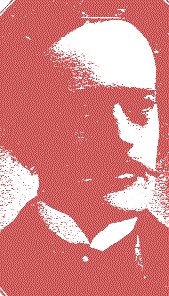
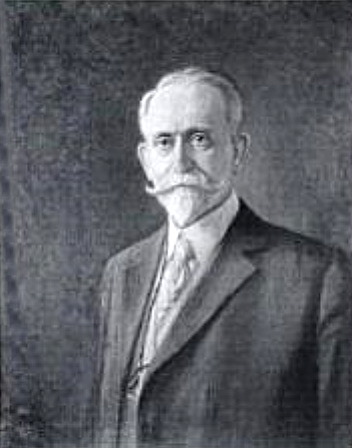
Self Portrait of Frank French
Frank French was born 22 May 1850 in Loudon NH, son and 8th child of Hiram & Lydia Walcot (Bachelder) French. He died about 1930 in the Reeds Ferry section of Merrimack, New Hampshire.
By 1870 he was living in Manchester NH where he served as art director for the Manchester newspaper, “Mirror and Farmer” under John B. Clarke. At that time he held an exhibition of paintings by Boston artists to stimulate art interest in Manchester. This was the first fine art exhibit in the city, and soon after, he helped organize the Manchester Art Association. Continue reading