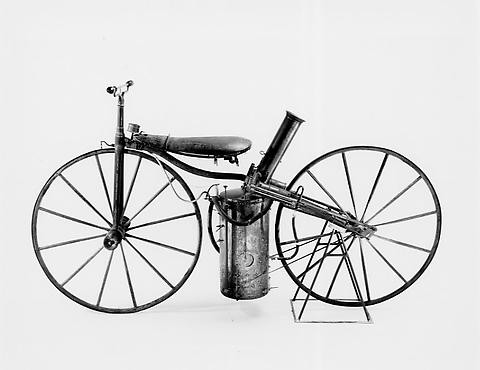
![Sylvester Roper and his "steam carriage" made sometime before 1870. From The Smithsonian Institution [found at Wikipedia]](https://www.cowhampshireblog.com/wordpress/wp-content/uploads/Sylvester_Roper_steam_carriage_of_1870.jpg)


Search on This Blog
Copyright Disclaimer
All rights reserved © 2006-2026
Janice A. Brown,
Blog: Cow Hampshire
www.cowhampshireblog.com
Formerly
blogharbor.cowhampshire.com
All unpublished works.Translate this Page
-

Women’s History
"The ongoing invisibility of women and girls is a serious issue for our country, and for the world. The invisibility of our history, heroes, stories, challenges, and success handicaps the future of all Americans, and it deeply affects our economy and our communities."--Megan Smith, U.S. Chief Technology OfficerWhat History Isn’t
“History isn’t about dates and places and wars. It’s about the people who fill the spaces between them.”
— Jodi Picoult, The StorytellerSeptember 2026 M T W T F S S 1 2 3 4 5 6 7 8 9 10 11 12 13 14 15 16 17 18 19 20 21 22 23 24 25 26 27 28 29 30 Recent Comments
- Traveling New Hampshire: Where Every Road Has Four Names and None of Them Match Your Map | Cow Hampshire on New Hampshire’s Last Highwaymen
- Traveling New Hampshire: Where Every Road Has Four Names and None of Them Match Your Map | Cow Hampshire on New Hampshire’s Turnpike History
- Janice Brown on New Hampshire Matrilineality and Mothers Day
- Carl Ellsworth on Not New Hampshire: Sculptor Carl H. Conrads of Germany and West Hartford CT
- Barbara Shearer on Missing Places: Wither’s Island, Kittery Maine
Categories
- Boulders and Profiles
- Carnivals and Memes
- Cow Stories
- Creatures
- Current Events
- Genealogy
- Haunted New Hampshire
- History
- Holidays
- Humor
- Irish in New Hampshire
- Lost Faces of WW1
- Military of New Hampshire
- Military Squares
- Moovers And Shakers
- N.H. Historical Markers
- N.H. Missing Places
- Native Peoples
- New Hampshire Aviation
- New Hampshire Entertainers
- New Hampshire Glossary
- New Hampshire Inventors
- New Hampshire Men
- New Hampshire Politics
- New Hampshire Slanguage
- New Hampshire Sports
- New Hampshire Women
- NH Persons of Color
- NH Tidbits
- NH WW1 Military
- Not New Hampshire
- Oddities, Accidents and Crazy Weather
- Personal History
- Poetry
- R.I.P
- Really Old News
- Recipes
- Speechless Sunday
- Structures
- Travel